

 Lydia Maguire
This past September, the Montclair Town Council voted unanimously to adopt a resolution to become a Bee City USA Affiliate. It sounded exciting, but also a little abstract. Save the bees, of course, but what does that really mean for daily life here in Montclair? Does it mean fewer pesticides and more wildflowers, or are we suddenly expected to coexist with every mosquito in Essex County? Those were some of the questions we had as we set out to learn what being a Bee City affiliate actually means for Montclair residents, and how to prepare your garden for spring in a way that supports pollinators without turning your yard upside down. Read on for more about Montclair becoming a Bee City USA.
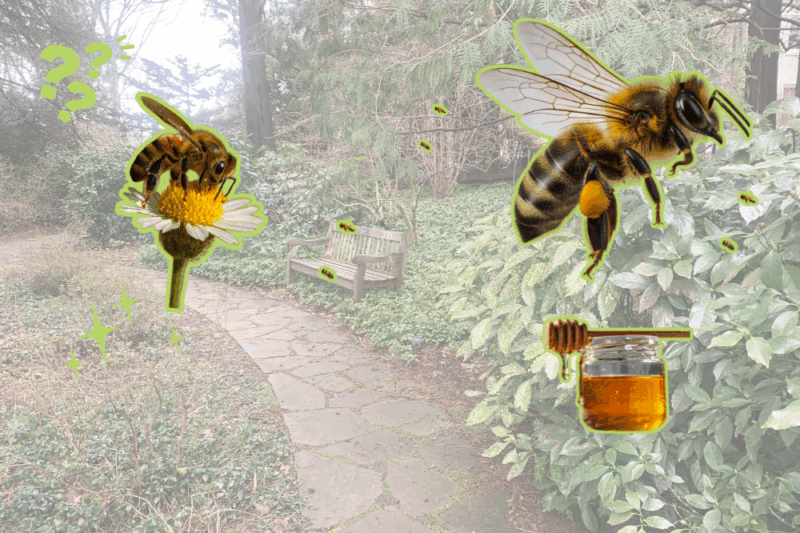
What Is Bee City USA, Exactly?
Bee City USA is a national program run by the Xerces Society for Invertebrate Conservation, one of the country’s leading organizations dedicated to protecting bees, butterflies, and other pollinators. Communities that become affiliates commit to long-term actions that support pollinator health.
By becoming a Bee City, Montclair has agreed to increase pollinator-friendly habitats on public land, reduce the use of harmful pesticides, prioritize native plants and trees, educate residents about the importance of pollinators, and track progress through an annual public report. In other words, this is an ongoing environmental commitment with accountability built in, not just a feel-good label.
Read More: Where to Find Saunas in North Jersey
Why Pollinators Matter, Even If You Don’t Garden
Pollinators play a role in roughly one out of every three bites of food we eat, including many fruits, vegetables, nuts, and seeds. Beyond food systems, they are essential to healthy ecosystems, biodiversity, and resilient green spaces.
In New Jersey, pollinator populations have declined due to habitat loss, pesticide use, and climate-related pressures. Montclair’s Bee City designation reflects a shift toward more thoughtful land use across the township, from parks and medians to school grounds and shared green spaces.
For residents, that can mean healthier and more diverse public landscapes, fewer chemicals used in communal environments, stronger community education around sustainability, and ultimately, more birds and butterflies, which feels like a win. In a beautiful, walkable town like Montclair, small individual actions can have an outsized impact…a real Butterfly Effect.
What This Means for Montclair Residents
The good news is that you do not need to begin keeping bees or completely overhaul your yard to participate. Bee City is about creating habitat, not installing hives.
Homeowners, renters, balcony gardeners, and even residents with no outdoor space can take part in small, manageable ways. Supporting pollinators is less about perfection and more about intention.
How to Prepare Your Garden for Spring the Bee-Friendly Way
One of the easiest ways to support pollinators is by planting native species. Native plants evolved alongside local pollinators, which means bees and butterflies recognize them as reliable food sources. In northern New Jersey, plants like purple coneflower, black-eyed Susan, bee balm, milkweed, goldenrod, cardinal flower, native asters, and wild bergamot tend to thrive while also supporting local ecosystems. Many local garden centers now label native plants, making them easier to identify when shopping this spring.
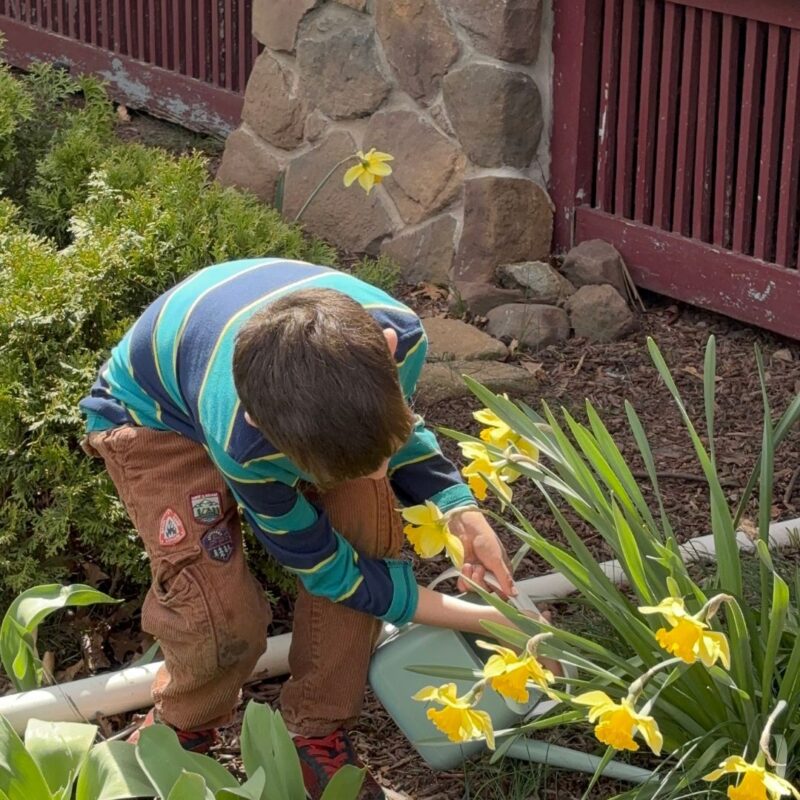
Spring cleanup is another area where a small shift can make a big difference. While it is tempting to clear everything away as soon as the weather warms, many pollinators overwinter in fallen leaves and hollow plant stems. Waiting until temperatures are consistently above fifty degrees before cutting back plants, leaving leaves a bit longer, and delaying heavy mulching can help protect emerging insects. What looks like yard debris often serves as shelter for pollinators.
See More: Is Hoboken the Beauty Capital of New Jersey?
Reducing chemical use is also key. Many common lawn and garden treatments are harmful to pollinators even when used as directed. Avoiding pesticides and herbicides when possible, skipping weed and feed products, and opting for manual or natural pest control can go a long way. In many cases, healthy soil and plant diversity can reduce pest problems naturally.
It also helps to think beyond flowers. Pollinators need water, shelter, and food across seasons, just like us. A shallow dish of water with stones, an undisturbed corner of the yard, or a mix of plants that bloom from early spring through fall can all contribute to a healthier habitat. Even a small pollinator-friendly patch can make a difference.
Local Resources and Who to Contact for More Information
Residents interested in learning more about Montclair’s Bee City designation or getting involved can look to the Northeast Earth Coalition (NEEC), the official Bee City facilitating organization for Montclair.
As Montclair heads into spring, Bee City status offers a reminder that protecting pollinators does not require sweeping changes. It starts with small, thoughtful choices that collectively help the town grow greener, healthier, and more resilient.
To learn more or get involved, email [email protected] or visit www.neearth.org.
FAQ: Bee City Montclair
Do I have to keep bees to participate?
No. Bee City focuses on habitat creation and education, not beekeeping.
Do I need a large yard to help?
Not at all. A single native plant in a pot or window box can support pollinators.
Are pesticides banned in Montclair now?
No. The designation reflects a commitment to reducing harmful pesticide use on public land and encouraging safer alternatives, not an outright ban.
Does this affect renters or apartment dwellers?
Yes. Balcony plants, community gardens, and advocacy all count.
Is this just about bees?
No. The program supports all pollinators, including butterflies, moths, beetles, birds, and other beneficial insects.
Follow @themontclairgirl on Instagram + TikTok for the latest Montclair updates, sign up for our weekly newsletter here that shares everything you missed each week, and check out our events calendar, which has over 100+ events weekly to peruse.