


 The Montclair Girl Team
This article is sponsored by Englewood Health’s Young Onset Colorectal Cancer Program.
In recent years, colorectal cancer rates have risen among adults in their 30s and 40s — and in some cases, even younger. For anyone newly diagnosed, it’s important to remember that you are not alone. While every cancer journey is unique, younger individuals with colorectal cancer often share similar concerns and challenges. To address these needs, Englewood Health has developed a comprehensive program designed specifically for younger adults. The Young Onset Colorectal Cancer Program provides medical guidance, emotional support, and resources tailored to this age group. Read on to learn more about Englewood Health’s Young Onset Colorectal Cancer Program and how it’s helping young New Jersey residents get screened for colorectal cancer and navigate their diagnoses.
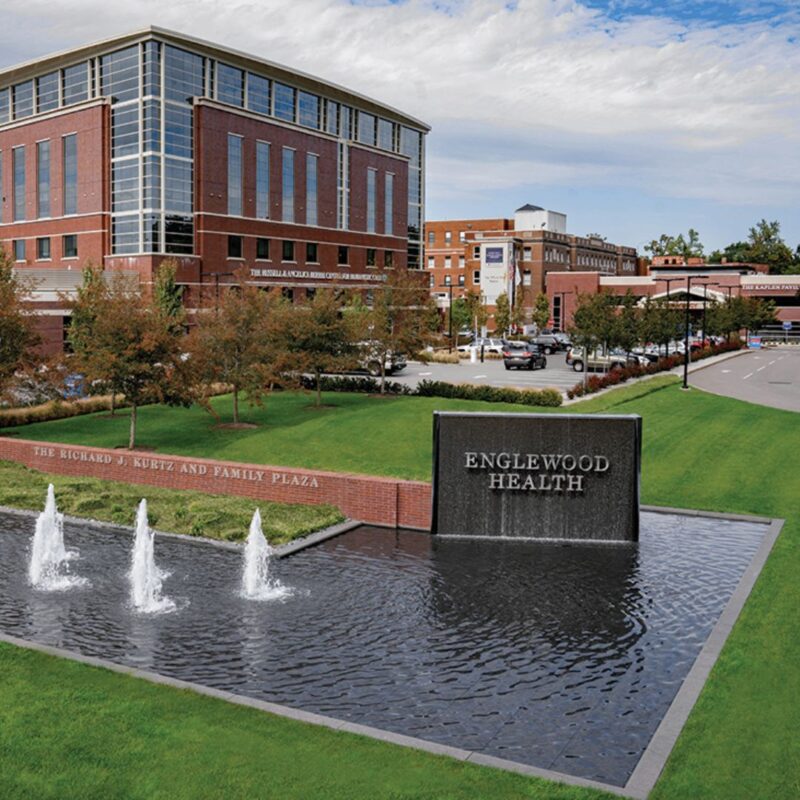
About Englewood Health
Englewood Health is one of New Jersey’s leading healthcare systems. It delivers nationally recognized inpatient and outpatient care through its hospital and network of physician practices, urgent care centers, and imaging centers.
Facts About Young Adults and Colorectal Cancer
Colorectal cancer is becoming increasingly common among younger adults.
Englewood Health highlights that current data shows:
- Since 2004, there has been a 15% increase in colorectal cancer diagnoses among people ages 18–50.
- One in five new colorectal cancer cases now occurs in individuals under 50.
- The incidence in young adults is projected to double by 2030.
- Fewer than 20% of young-onset cases are linked to hereditary factors. Most patients have no known genetic predisposition.
Englewood Health shared with MG, “We’re still learning exactly why this is happening. Lifestyle factors may play a role — including diet, obesity, lack of exercise, and even changes in gut bacteria. There may also be genetic or environmental influences we don’t fully understand yet. What we do know is that more people under 50 are being diagnosed, and it’s not something we can ignore anymore.”
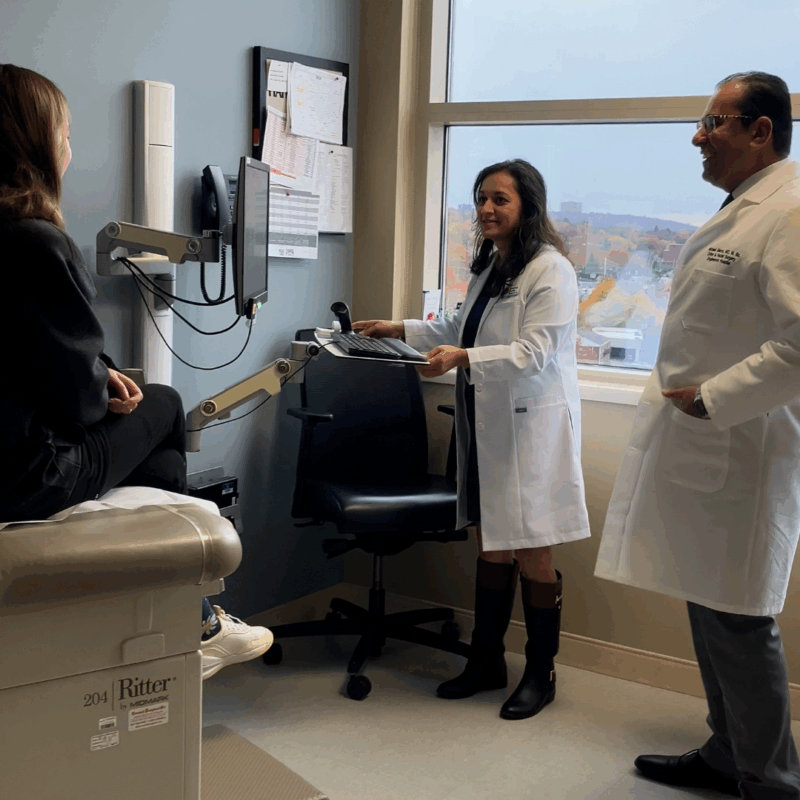
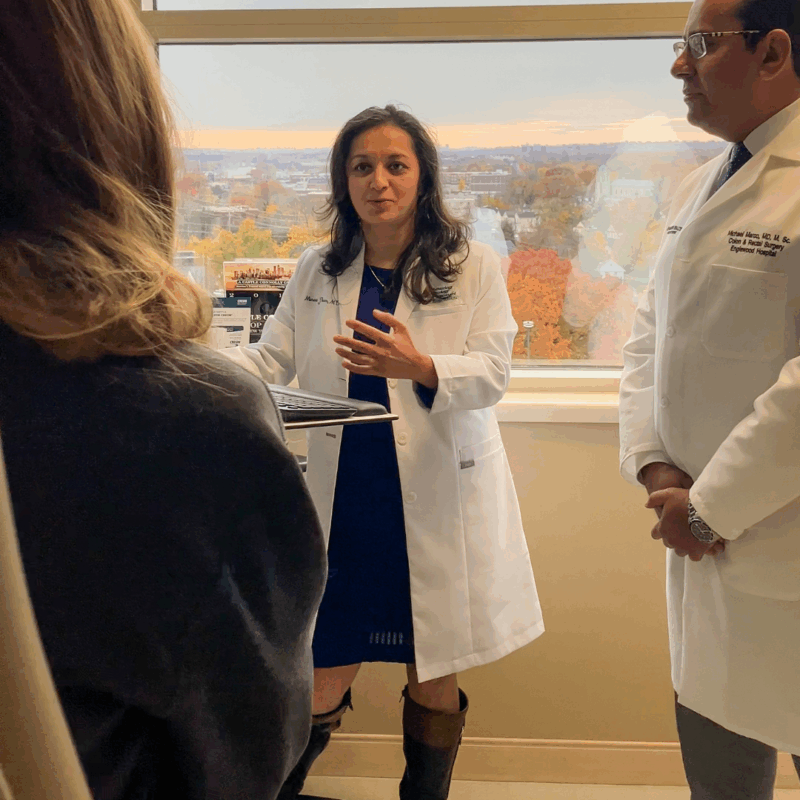
Minaxi P. Jhawer, MD, co-director of the Young Onset Colorectal Cancer Program, is leading efforts to detect colorectal cancer earlier while supporting younger patients throughout treatment and survivorship.

Signs to Watch For + The Importance of Early Detection
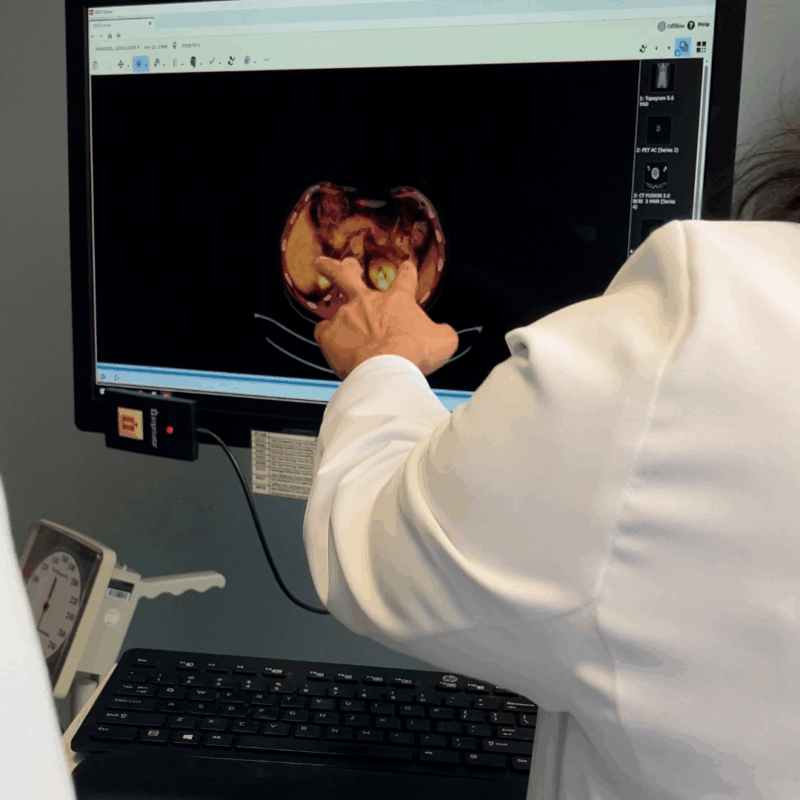
Recognizing symptoms early is key. According to Englewood Health, warning signs may include blood in the stool, persistent abdominal pain, changes in bowel habits, and unintended weight loss.
Yet, many young adults experience delayed diagnosis due to the misconception that colonoscopies are only for older adults — along with concerns about discomfort or embarrassment when discussing their symptoms with a doctor.
Englewood Health emphasizes that “The truth is, it’s a quick procedure done while you’re asleep, and it could literally save your life.”
When caught early, colorectal cancer is highly treatable, and recovery outcomes are significantly better. This is why Englewood Health urges that early action and screening matter.

Inside Englewood Health’s Young-Onset Colorectal Cancer Program
The program was designed to address the unique needs younger adults face throughout diagnosis and treatment.
As Englewood Health explains, it “brings together doctors and multiple team members who understand the unique challenges of facing cancer at a younger age — from diagnosis, to fertility concerns, to emotional support and personalized treatment plans. You’re not just a number; you’re a whole person, and we treat you that way.”
The program includes:
- Personalized Treatment Plans: A collaborative team — including surgeons, medical oncologists, and radiation oncologists — works together to create a customized treatment plan from day one.
- Fertility + Sexual Health Support: Younger adults often face questions about fertility preservation and long-term reproductive health. The program provides planning and guidance so patients can make informed decisions early on while also helping to navigate changes in sexual function and intimacy.
- Psychosocial Support: This includes support in navigating the emotional, social, and practical challenges that come with a diagnosis.
- Stoma Education + Therapy: Specialized education and training help address the challenges of adjusting to a stoma or ostomy bag.
- Genetic Counseling: The team helps identify hereditary risks, guide testing decisions, and develop personalized screening plans.
- Nutrition + Integrative Medicine: With a holistic approach, the team’s dietitians and integrative medicine specialists work with patients to support overall wellness, reduce side effects, and promote recovery.
The goal is to provide care that sees the whole patient, not just the diagnosis.

The Essentials
Whether you are newly diagnosed or currently in treatment, Englewood Health encourages younger patients to learn more about the support available through the Young Onset Colorectal Cancer Program.
To connect with the team or fill out an inquiry form, click here.